By: James Hely, Vice Chair of RAM-Global Rotary Action Group When I was a boy in my hometown where I still reside in Westfield, New Jersey, I was familiar with the Rotary Club of Westfield as it was in the 1950s and 60s. It was an old club founded in 1921. My impression then was that it was something like an all male college fraternity. It was all men and one had to apply to be admitted as a member. Sure the club did some locally good service projects but I saw it as a self appointed, elite organization used almost exclusively for business networking.
When I became a lawyer in the early 1980s, I was asked to apply for Rotary membership. It was still all men then, so I declined. Several years passed, and I got into a conversation with a Town Council colleague of mine. Although he was in the opposite political party from mine, we had a cordial relationship. He was proud to tell me that Rotary International had embarked upon a campaign to eradicate polio worldwide. That shifted my perspective of Rotary, and I ultimately became a member of the Westfield Rotary, well after women were allowed to join. During the decade of the 2000s, I held the title in the club of Chair of the PolioPlus campaign. The polio eradication campaign demonstrated to me that Rotary was indeed an international, humanitarian organization of which I could be proud to participate. I became a Paul Harris Society member which committed me to make a significant financial contribution to the RI Foundation on an annual basis.
As the polio campaign has steadily progressed to almost the complete eradication of that devastating disease, I started to think about what could or should be Rotary's next "big thing." Rotary International and its Foundation has become a significant player in projects that reduce infant and child mortality and extend life expectancy. In the 2025-2026 Rotary donated $477 million to life saving projects around the world. Rotary has helped vaccinate more than 350 million children in 28 countries. Those numbers are nothing to sneeze at! We can all be proud of our involvement with Rotary.
Yet, if we really are dedicated to creating an even larger humanitarian impact, what is the most concrete means of making that happen? In 2024, malaria killed 610,000 people, and 75% of those deaths were children. Malaria remains present in 80 countries. The tools to prevent and limit malaria deaths are known and available. RAM-Global has already demonstrated the techniques that reduce malaria in endemic areas around the globe. RAM-Global initiated and funded the Western Alliance of Kenya Against Malaria (WAKAM I). It is imperative that we keep WAKAM going to phase II. We know this process works. We have the cooperation of the regional government, and we have begun to gather the critical and immediate funding to make the second phase happen. RAM-Global annually funds and supports small in-country grants of $2500 or less, with strict reporting requirements. Approval and funding for short-term small grants for World Malaria Day, (33 in 2026), generated collaboration and excitement, especially amongst young Rotaractors. We are eager to see the quality of new applications for World Malaria Day, 2027.
If our goal is to save lives, especially of young children, attacking malaria around the world is "the low hanging fruit." We must spread the word inside and outside of Rotary of the critical need to prioritize malaria. If we want to "create lasting change," the assault upon malaria is probably the most effective way of doing that.
Thoughts from the Heart and Soul By Bryna Perlman
As we get closer to rounding out the calendar year, looking forward to holidays and family celebrations, I decided to take a “look” at what we all might be seeking during these hectic months. Undoubtedly, coming closer to our loved ones, friends, and community are at the heart of events at this time of the year.
However, internally, my heart breaks when I look outward, at those in countries so very far away from us, but drawn nearer as a result of the efforts of Ram-Global, Rotarians and others who support our efforts. It becomes easy to be absorbed in our own personal lives, to inadvertently put on “blinders” while we go on with our hectic lives, planning visits and happy times with loved ones.
So I pull back the reins, and remind myself of the millions in so many far away places, who struggle daily, humbly, and proudly, to keep their loved ones together, to incorporate their community into their own lives, and to make sacrifices that we can barely imagine, for others. These people are the heart and soul of WHY we do WHAT we do at RAM-Global. Putting others first, making whatever sacrifices we can make, to help in ways, however small to however great.
This is a very special time of the year, and if we all can take our blinders off, we can be reminded of the many who are making the most with what they have, while struggling to take care of their loved ones and community. True, we all have our own needs and priorities, but my hope is that in these last few months of the year, we can collectively step back, acknowledge the blessings in our own lives, and imagine standing in the shoes of others who struggle daily, yet are they are constantly thankful for what they have, and always keep an open door for members of their community.
Perhaps we all might consider the wise words of Sir Winston Churchill: “We make a living by what we get. We make a life by what we give.”
Thank you, all of you, for what you do, for the ways you can help so many, and wishing you a very happy holiday season.
Malaria’s Hidden Cost: Lost Learning, Lost Earning
Malaria No More’s new report reveals how malaria disrupts children’s education and limits their future earning potential, while holding back economic growth. It shows that preventing malaria is also an investment in opportunity and prosperity.
Protecting communities from malaria starts with expanding access to innovative prevention tools.
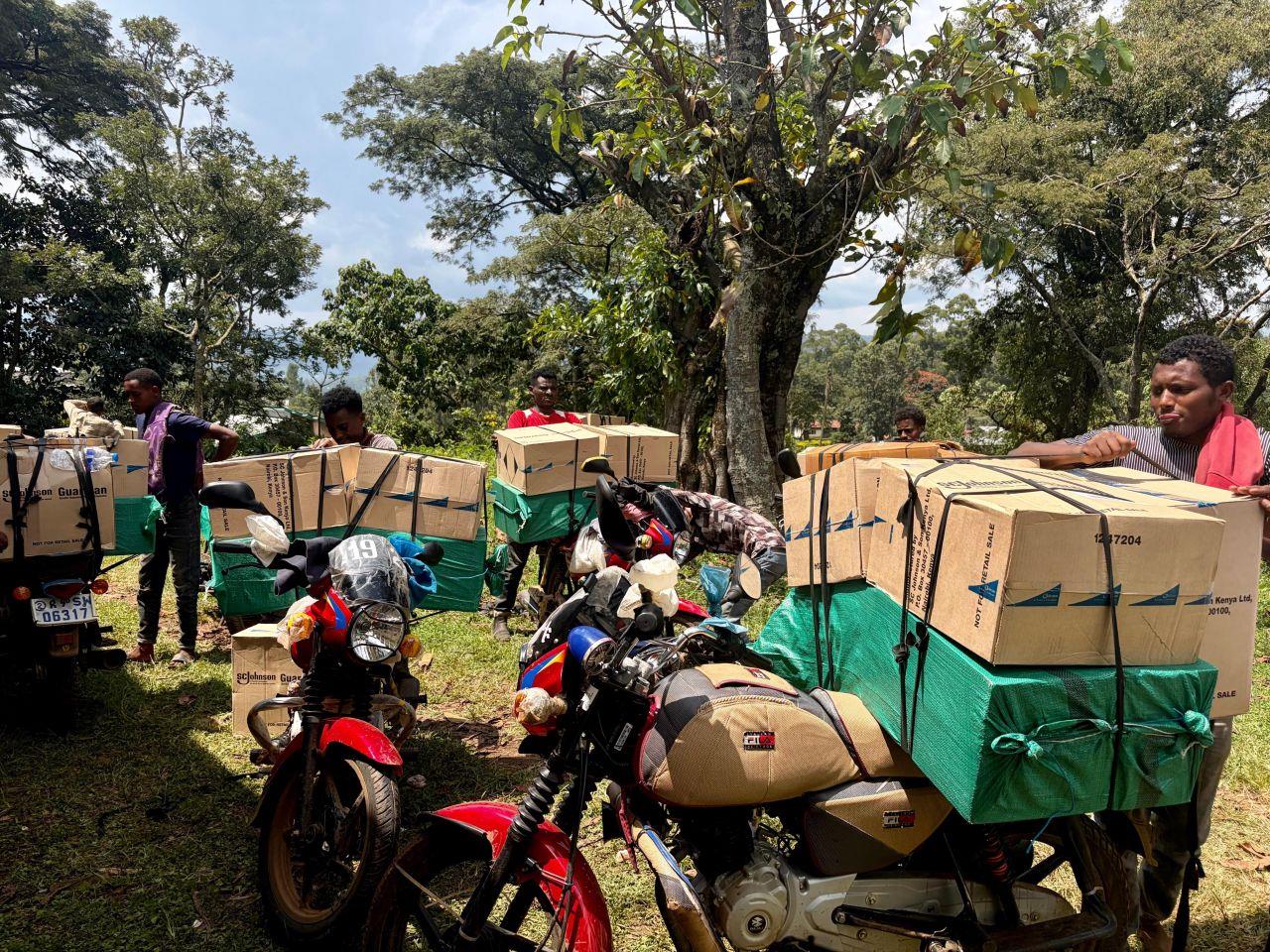
In September, SC Johnson supported the deployment of more than 100,000 Guardian™ spatial repellent units across communities in Ethiopia’s Oromia Region, helping strengthen local malaria prevention efforts. The deployment is part of a broader U.S. Government agreement involving SC Johnson, the U.S. Department of State and the Global Fund, with implementation support from PMI Evolve, led by Abt Global, and local health authorities. By working together, innovative solutions to mosquito-bite prevention solutions are brought to areas most needed.
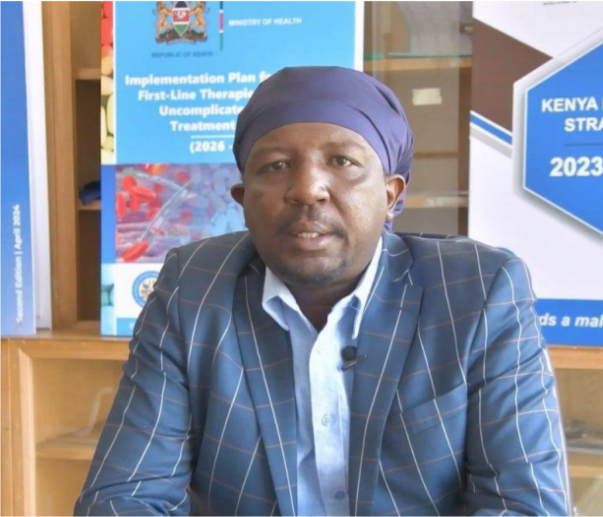
Dr Sammy Mahugu, Head Malaria Case Management, Diagnostics and Private Sector Engagement, Kenya National Malaria Control Program
The Kenyan government has introduced Multiple First-Line Therapy (MFT) to reduce the risk of malaria parasites becoming resistant to the medicines we currently use, especially artemisinin-based treatments. By using different effective malaria medicines in a planned way, we aim to keep treatments working for longer and ensure that people continue to receive effective treatment when they get malaria. Read the full article HERE and watch the video here
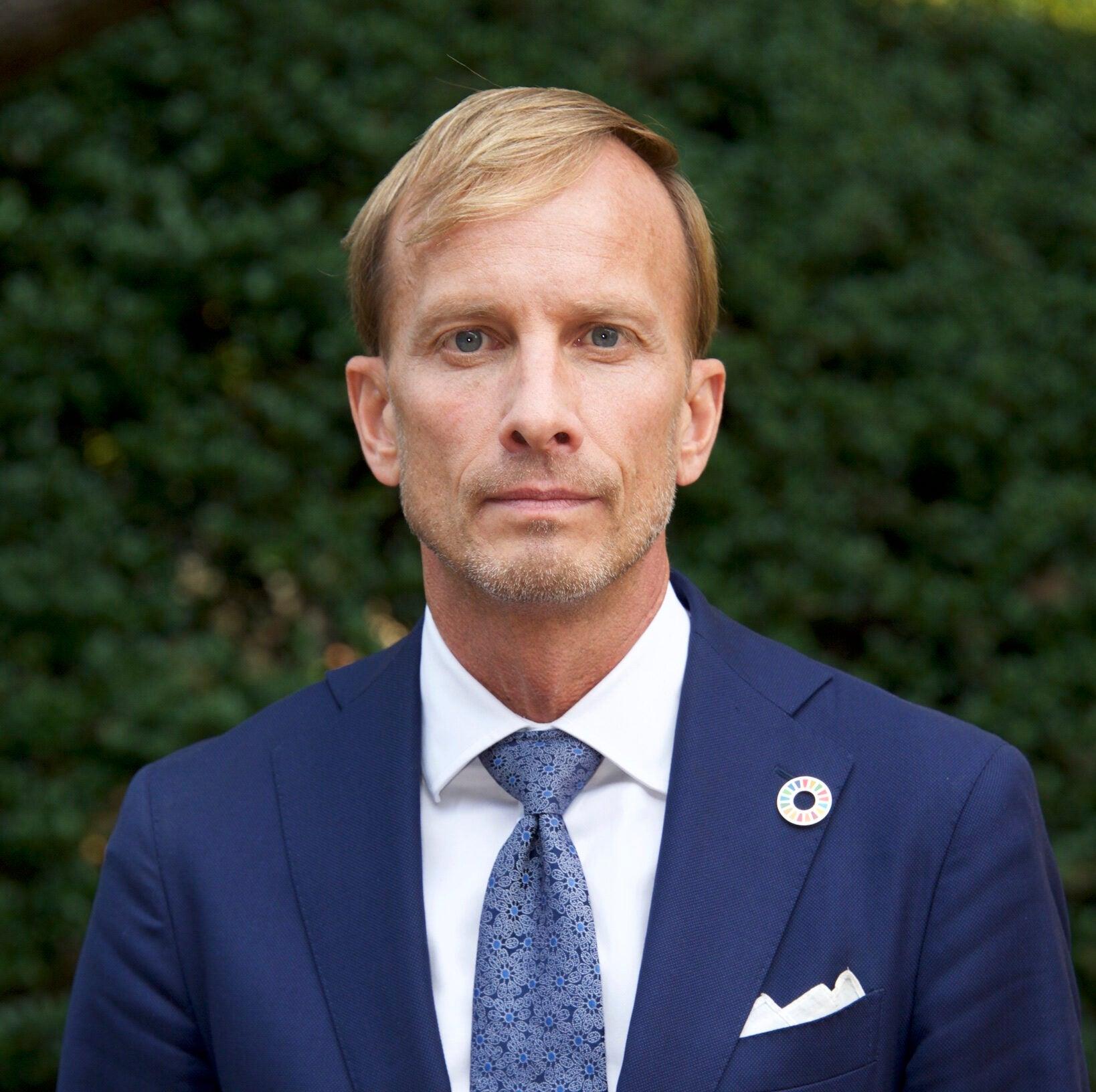
Global Fund Board Appoints Dr. Mark Dybul as Next Executive Director
On October 28, at the 56th Board Meeting of the Global Fund to Fight AIDS, Tuberculosis and Malaria (the Global Fund), the Board appointed Dr. Mark Dybul as the organization’s next Executive Director. He will begin his four-year term in early 2027.
RHCC ACTIVITIES (Rotary Healthy Community Challenge)
Rotary takes fight against child-killer diseases to Kebbi state rural communities
Rotarians Against Malaria-Global reports that the Rotary Healthy Community Challenge (RHCC), has embarked upon a critical fight against malaria, diarrhea and pneumonia. Dr. Dele Balogun, chair of the Nigeria Country Committee and physician, shared the efforts on the ground.
Rotary Expands Its Fight Against Malaria in Papua New Guinea Submitted by Dan Perlman
Papua New Guinea recorded an estimated 1.6 million malaria cases in 2024, the highest number of cases of any country in the Pacific region. Rotary International and RAM-Global are taking an active leadership role in efforts to reverse this alarming number.
As part of these efforts, RAM-Global has recently delivered 100 bicycles to support Community Malaria Volunteers (CMVs), to allow them to reach remote communities with malaria prevention, testing, and treatment services. We partnered with Australia RAM (ARAM), scaling up with bicycles and adding SPATIAL REPELLENT PANELS to the malaria toolbox, as the program expands. Rotary has been fighting malaria in PNG since 1996, and has already made a significant difference, but there's still a lot of work ahead in PNG.
The next major step comes in January 2027, when these efforts will expand significantly through new funding from Rotary International and the Gates Foundation. Papua New Guinea will become the fifth nation to join the Rotary Healthy Community Challenge (RHCC), bringing renewed resources and momentum to the fight against malaria. Together, Rotary and its partners are strengthening local health systems and bringing essential malaria services closer to the communities that need them most.
Africa has spent two decades pushing malaria back with bed nets and sprays, but the mosquitos are changing faster
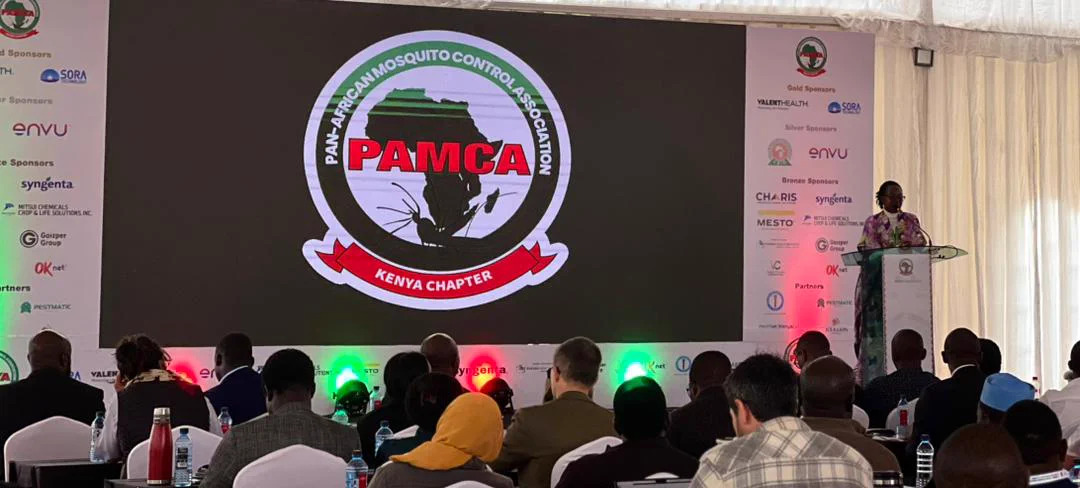
At the recent PAMCA (Pan-Africa Mosquito Control Association) meeting in Nairobi, scientists brought to light the importance of the ever changing mosquito and the challenges that malaria fighters are facing. Dr. Eric Ochomo (Entomology Director at KEMRI -Kenya Medical Research Institute) stated that mosquitoes are starting to bite before dawn, during the time when people are using their nets.